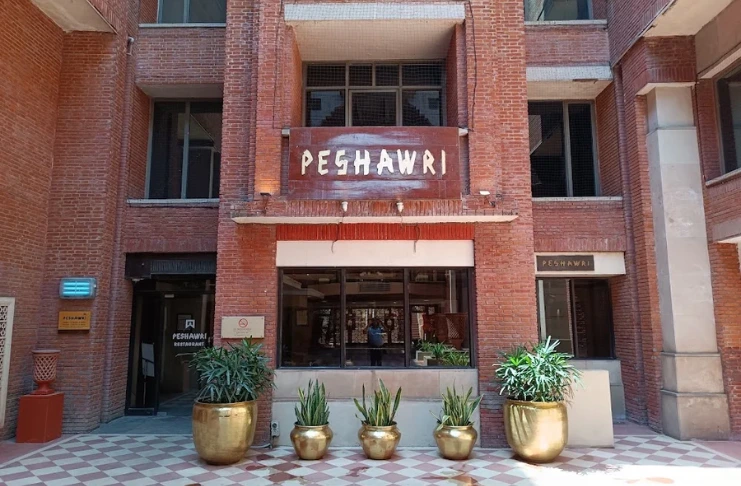

At Peshawri, the first thing that you receive is an apron. They don’t provide cutlery at all. No matter how much you ask, you will not be given any utensils. The message is clear and loud: you should eat with your hands with the help of freshly baked bread. It doesn’t matter who you are; this rule will always remain valid.
This single move tells everything about what kind of restaurant Peshawri is. And it has been doing so ever since 1978.
The Origin: A Tradition Born in New Delhi
Peshawri is ITC Hotels’ signature restaurant concept, paying homage to the culinary delights of the North West Frontier region. This wild, culturally vibrant territory includes the modern nations of Afghanistan, Pakistan, and northwest India. It is directly inspired by the concept of Bukhara. The restaurant debuted at ITC Maurya in New Delhi in 1978, becoming one of the world’s finest examples of Indian fine dining. According to the website of ITC Hotels, the concepts of Peshawri and Royal Afghan were created specifically for ITC Hotels to preserve that tradition in its flagship establishments in other cities of India.
What follows is a system of restaurants united by their philosophy, menu, design concept, and an unshakable belief that the cuisine of the North West Frontier is perfect as it is and does not need any improvement, just proper implementation. Peshawri can be found at ten locations in India – from ITC Grand Chola in Chennai to ITC Rajputana in Jaipur, ITC Mughal in Agra, ITC Sonar in Kolkata, and ITC Kohenur in Hyderabad, with the tenth location marking its first anniversary in January 2025.
The Food and Why the Menu Has Never Changed
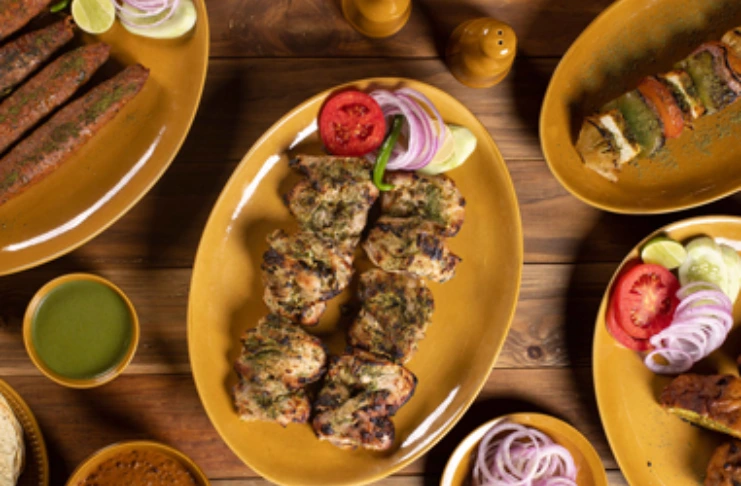
The Peshawri menu has remained unchanged since it first opened its doors. This is not by accident; it is by design.
In a Deccan Chronicle article marking ITC Kohenur’s first anniversary, Executive Chef Aamer Jamal stated the principle behind the restaurant’s creation: “Our restaurant has been created based on the philosophy of harmony and community dining that stems from the culture of the North-West Frontier region.”
The cooking technique is equally traditional. All food at Peshawri is prepared in a clay oven or tandoor, in the traditional manner of the North-West Frontier region. As ITC Hotels’ Rajputana restaurant describes it through All About Jaipur, this demands “meticulous training and great expertise” from every chef, for the kebabs do not come with any sauce or gravy. They are pre-marinated, cooked right before serving, and made on their own. The chef should know the spices by heart, prepare the marinades precisely, and understand how tandoor heat affects each dish. It takes years to learn that.
The signature dishes remain unchanged in all branches and throughout the decades. The Dal Bukhara, black urad lentils that are cooked overnight over a charcoal fire together with ginger, garam masala, red chilies, butter and cream, is the dish that is being prepared everywhere. Still, it remains the most respected. Sikandari Raan – marinated leg of spring lamb. Murgh Malai Kebab – a creamy, succulent, restrained dish. Tandoori Jhinga. And finally, Naan Bukhara – bread made from 1.25 kg of dough and enough to feed six people, called “a showstopper” by Business News.
The Room
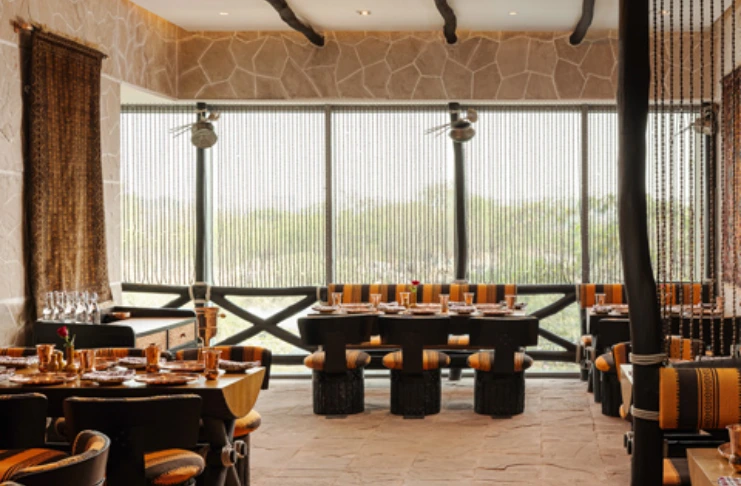
“Peshawri” not only has a thought-out menu but also an equally thought-out interior design. The restaurant features rough-cut wooden tables. There are wooden stools. Stone flooring. Copper utensils. Menus are written on wooden boards. Servers wear traditional Pathan costumes with checked aprons – maroon and green for vegetarians and non-vegetarians. As Business News This Week mentions in relation to the 23rd anniversary of ITC Sonar: “The interior, with rough-hewn tables and wooden stools, encourages camaraderie and traditions.”
Each Peshawri restaurant has an open kitchen. The tandoor can be seen. Charcoal is real. Cooking is right before your eyes.
What Has Not Changed and Why That Is Enough
ITC Hotels have grown, renovated, and modernized every aspect of their hotel service over the years. But Peshawri’s menu hasn’t budged one bit. That dedication to stillness in an industry obsessed with change becomes an argument in itself. The argument is this: the cuisine of the North West Frontier has been right from the moment it came into this restaurant, and it is right today.
“Peshawri’s intense flavors convey the romantic essence of the rugged North West Frontier, striving to make every meal an experience worth remembering,” according to ITC Sonar’s official anniversary press release. Forty years and ten cities later, the frontier has not budged one bit.