
Some restaurants do try very hard to impress you. Septime never did – never had to. From the day it opened in 2011 in the 11th arrondissement of Paris, it strove to be a space you’d actually want to be at, and that’s the whole point.
Bertrand Grébaut said as much himself when he and his friend set out to build Septime.
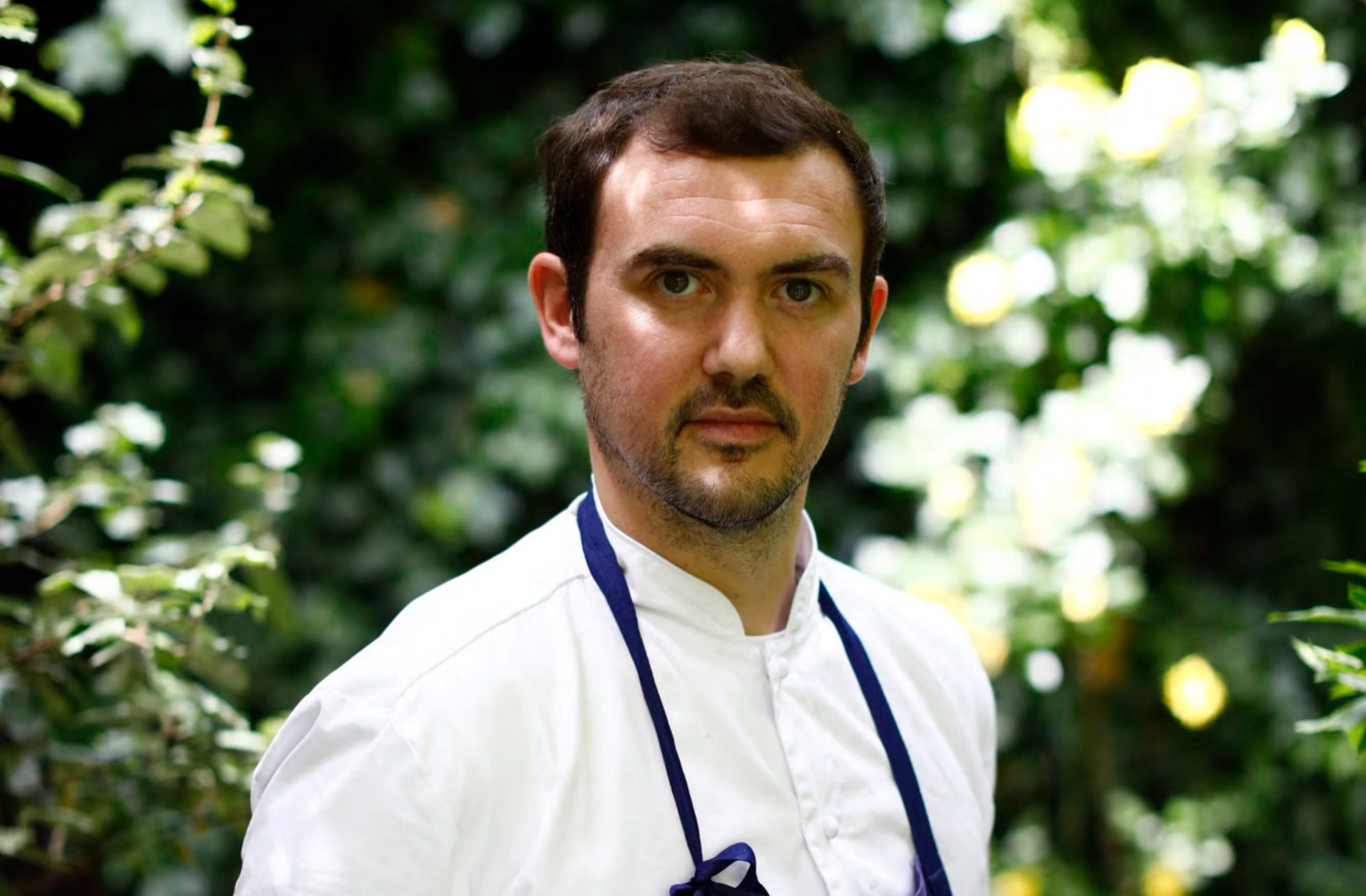
Now, want to hear some bad news? Bertrand Grébaut died on July 2, 2026, after a long, strenuous fight with cancer. He was 44. In the days after, almost everyone – chefs, critics, and guides – agreed on one thing: Bertrand changed how French food felt.
The Cook Who Was Once a Graphic Designer
At first, Bertrand Grébaut trained as a graphic designer. Later, he changed course, enrolled himself at Ferrandi, the cooking school in Paris, and graduated in 2006. From there, he went straight into the kitchen of Alain Passard at L’Arpège, one of the most respected chefs in France.
That kitchen changed him. Passard was already known for putting vegetables at the center of his food, long before that was fashionable anywhere, and it was here that Bertrand was introduced to the ways of cooking vegetables and to love them.
He said he had come to find the usual heavy rotation of meat and fish a little repetitive. Vegetables gave him something new to think about.
He carried that lesson with him for the rest of his career. A couple of years after L’Arpège, he followed Laurent Lapaire, the former maître d’ there, to a new restaurant called Agapé in the 17th arrondissement. Lapaire handed him the kitchen. Bertrand was young, barely into his career as head chef, and he won a Michelin star there in his very first year. That made him one of the youngest starred chefs in France at the time.
In 2009, Gault Millau gave him their Young Talent trophy.
By then, it was clear he had his own voice. So in 2011, he and Théo Pourriat left to open something of their own.
Septime & the Partnership That Built It
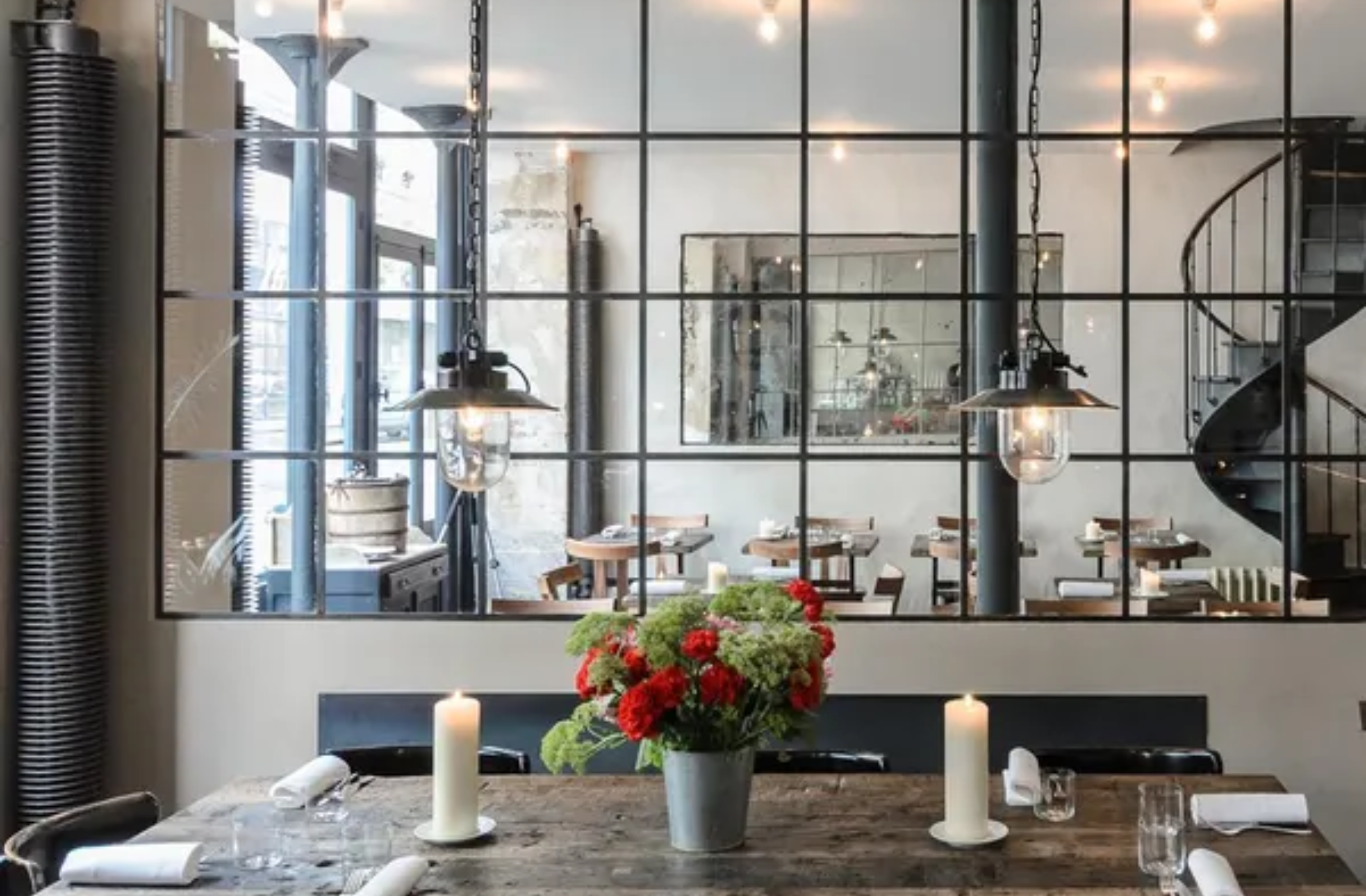
The name Septime comes from an old French comedy as a nod to a tyrannical restaurant owner played by Louis de Funès. It was a small joke, almost an inside one, poking fun at everything stiff and self-important about old-school French gastronomy. Septime was built to do the opposite of all that. How? By using no white tablecloths, bistro tables, and a menu that changes every three weeks – anything away from what was considered classic.
As for the finger-lick-worthy (of course, all veg) dishes here, you can count on –
- Grilled green asparagus with wild herb condiment.
- Roasted endive in a rye bread sauce.
- A simple plate of raw vegetables with fresh cheese, sorrel, and tarragon, and more.
Nothing about these dishes shouts for attention, and still you can’t NOT give them a try – a second time, a third, and more.
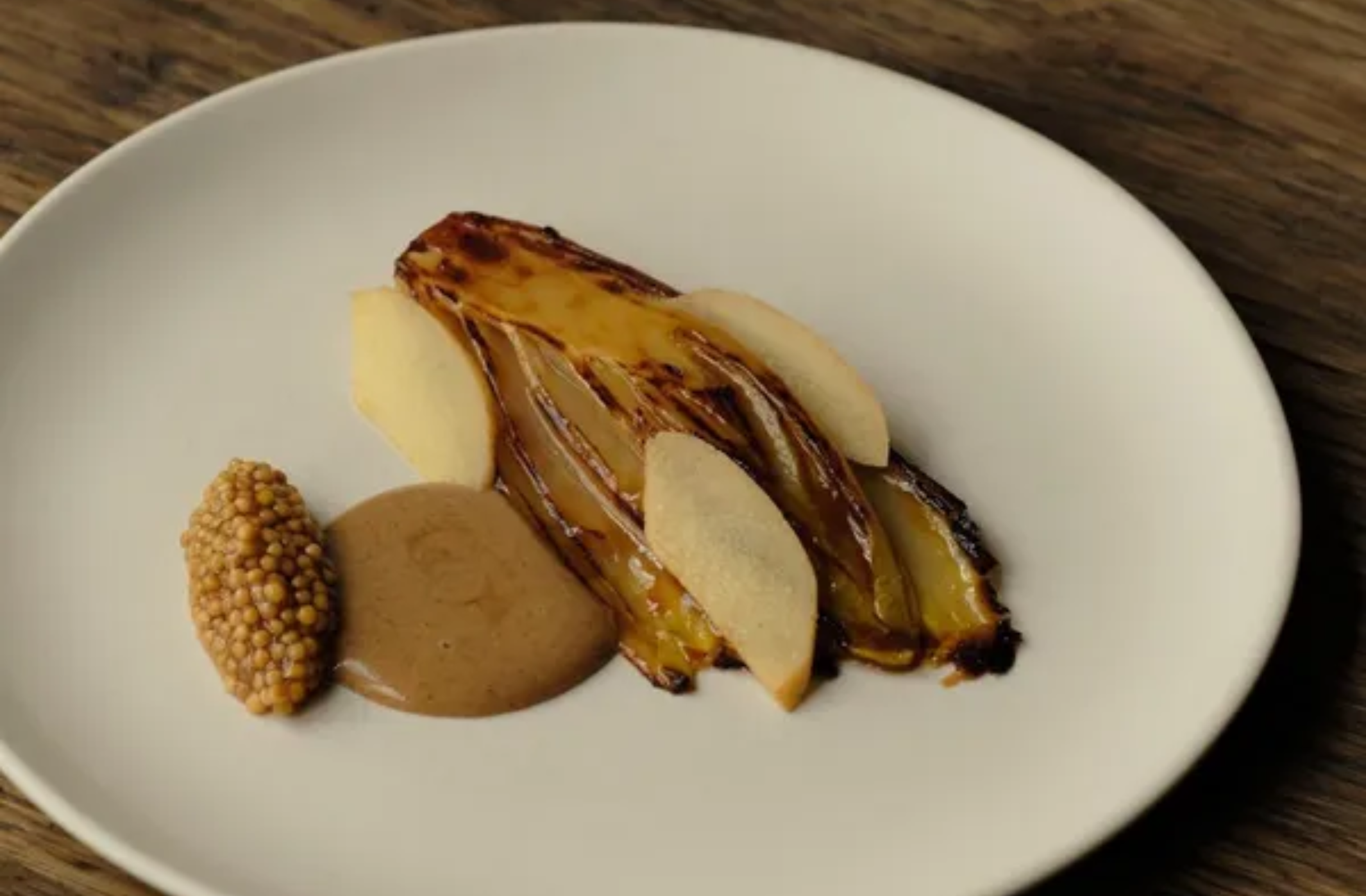
In 2014, Septime earned a Michelin star, and the guide praised the cooking as modern, a little creative, and built around plants and honest ingredients.
But you cannot really talk about Septime without talking about Théo Pourriat, because this project was never a one-man show. The two of them (Bertrand and Théo) ran the place together for fifteen years, and they kept building around it. Today, there is –
- A wine bar, also called Septime.
- A fish restaurant called Clamato, right next door.
- A pastry shop called Tapisserie.
- A small guesthouse out in the Orne countryside, called D’une Île.
Every one of these projects had the same fingerprint.
Septime climbed the World’s 50 Best list too, landing at 22 in 2023 and 40 in 2025, and in 2017 it won a Sustainable Restaurant Award, long before sustainability became a marketing word every menu uses. None of that seemed to be why Bertrand did it, though. The Michelin Guide put it well in the statement they released after his death. They said he and his partner turned Septime into something bigger than a starred restaurant, a place where high standards rhymed with sincerity.
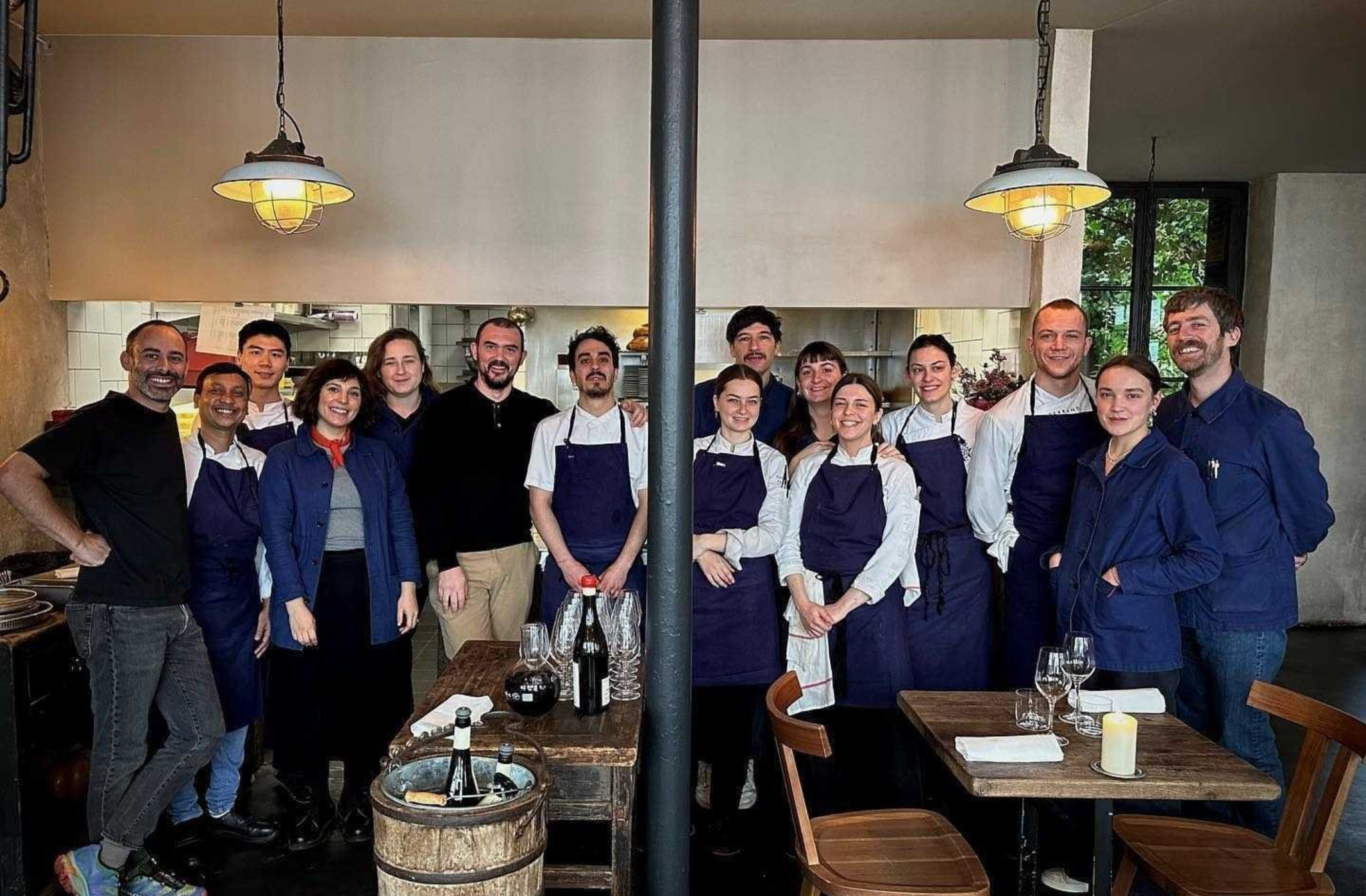
When the news broke, Théo Pourriat posted on the restaurant’s Instagram account. He wrote that Bertrand fought with everything he had. And then he wrote the line that made me, could make you, and everyone who is even remotely interested in the F&B cry, or at least a bit sad for the rest of the day. He said he had lost his best friend, his partner, his brother.
Septime’s doors stayed open in the days that followed, on purpose. Pourriat said that continuing to cook, side by side with the team, was their way of holding on, and that it was what Bertrand would have wanted. Then they closed for three days, just to breathe.
Fifteen years ago, Bertrand Grébaut said he only wanted to build a place he himself would want to go. He built that, and then he spent his whole career sharing it with everyone else. That might be the simplest way to describe what he leaves behind.
A table people actually wanted to sit at, run by people who actually wanted them there.