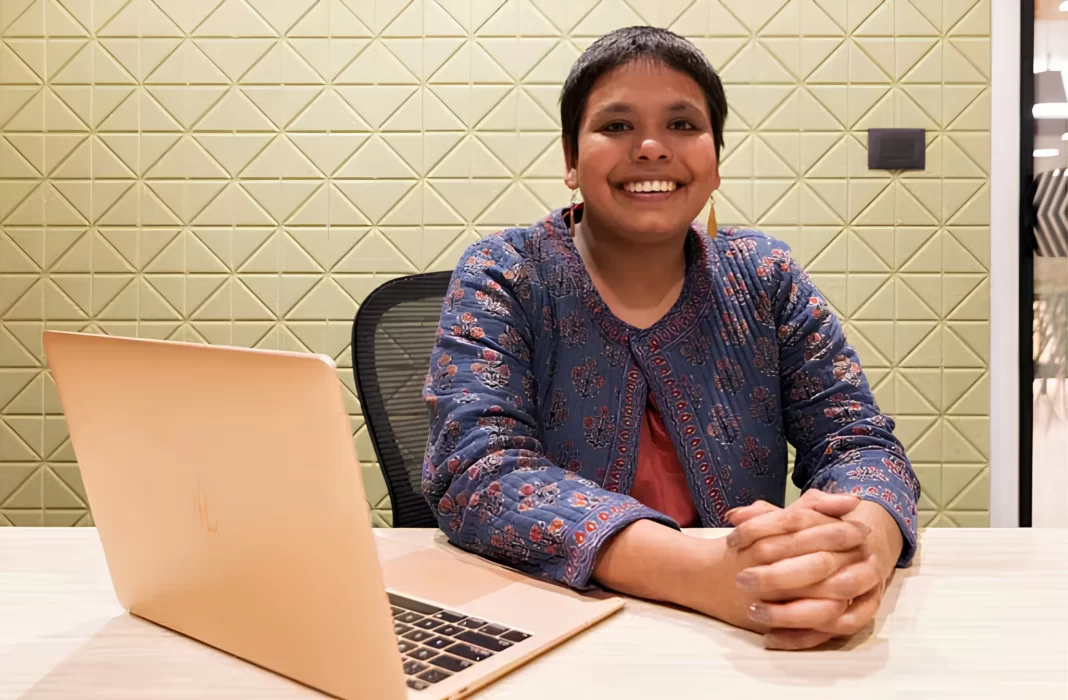

goSTOPS is one of India’s leading youth travel hostel brands, with 30+ properties across India. The brand provides pocket-friendly social accommodation and travel experiences for young travelers. It currently has approximately 4,000 beds and has hosted over 1 million guests across its properties.
The idea of building goSTOPS came to Pallavi Agarwal when she was backpacking through Europe in 2012 with her husband Pankaj Parwanda, who is also the Co-Founder of goSTOPS.
Fascinated by the collaborative, social environment the hostel offered, Pallavi realized similar accommodation options were much needed in India. And so, upon returning, she started ideating the concept, and finally, the first goSTOPS hostel opened its doors in Varanasi in 2014.
The brand runs on a simple belief that when you travel more, you ‘be more’.
In an exclusive conversation with The Restaurant Times, Pallavi shares insights about the journey of building a brand loved, inspired by, and created for people.
The Backstory
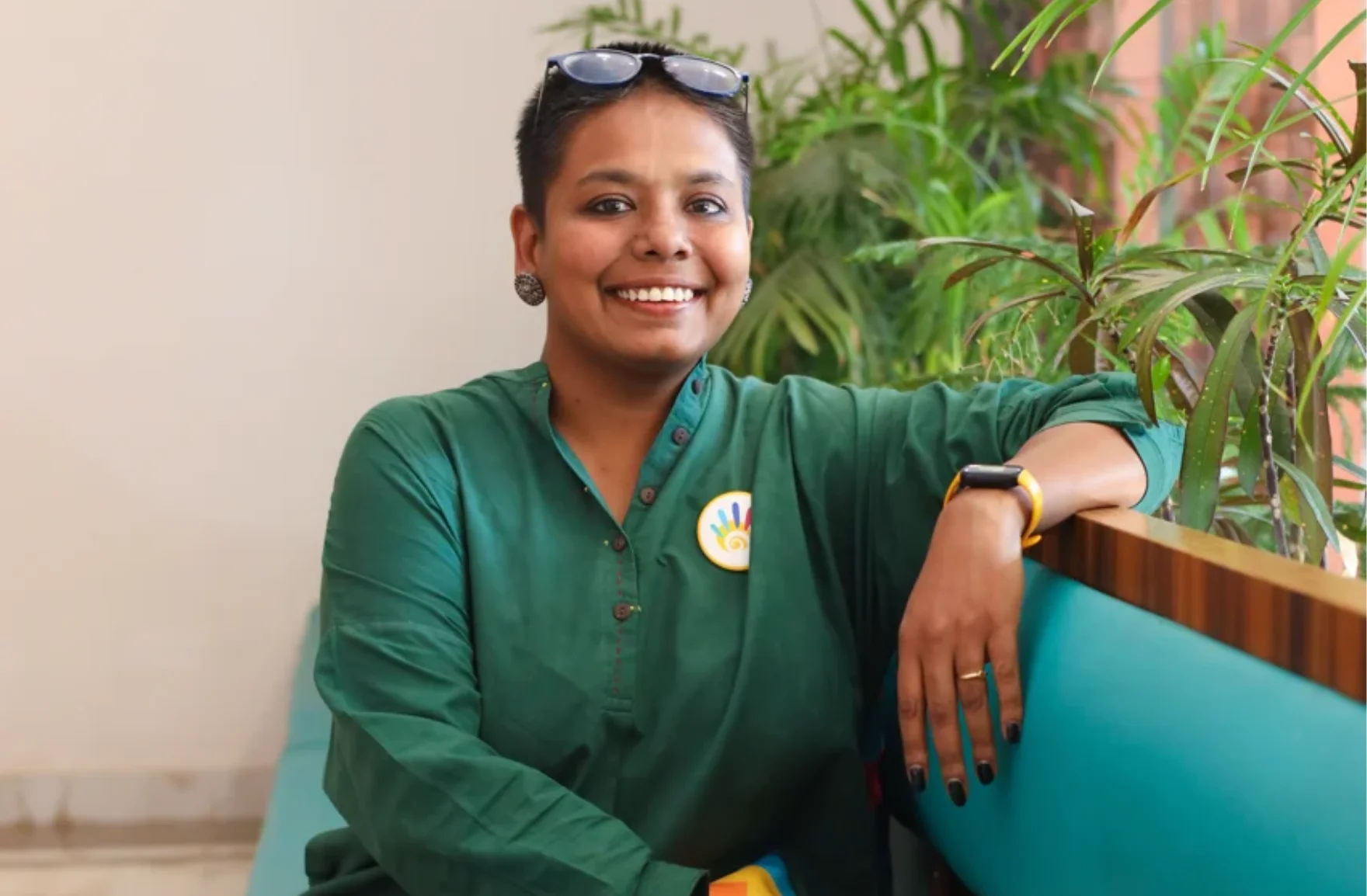
Pallavi was traveling in 2012 with a friend who was on a budget. He used to take a biannual trip to Europe because his girlfriend was Polish and was studying there. So he used to travel from India twice a year to meet her.
And one day, he asked Pallavi and her husband to join along on one of these trips. They just said yes, unaware of the fact that he was going to put them up in hostels. She had no idea what hostels were until then. She only knew about hostels from some of the horror movies she had seen, where people die. That was the only image in her mind.
Eventually, they backpacked across 5 countries in Europe and stayed in about 15 odd hostels. Surprisingly, Pallavi fell in love with the concept of what a hostel is.
“The star feature for me was the hostel community where you get a chance to meet other travelers and share your travel experiences,” she said. “It was absolutely amazing and made me realize that India, with such a huge youth population, did not have any hostels that they could call their own. A vibrant space designed for the young people of the country.”
So, when she returned to India, she knew that this was what she wanted to do and decided to quit her job. It was a tough decision, but she had faith in her idea.
Sure, it took her some time, but her mother pushed her by saying, “If you don’t do it today, you will not do it afterward either.” And so she started her first-ever hostel in Varanasi, and has been expanding since.
Surviving the Pandemic
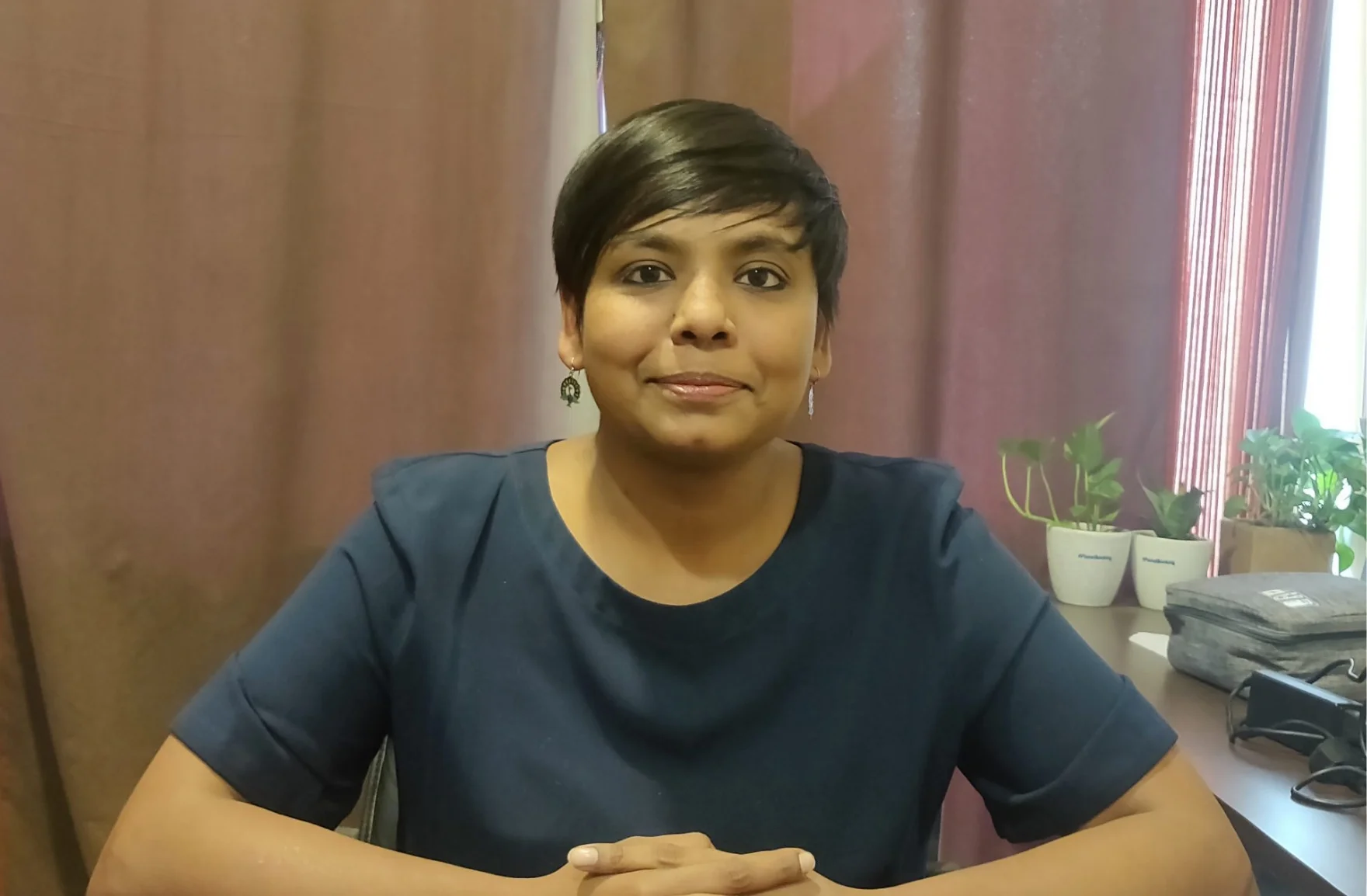
The hospitality industry, and hostels in particular, were among the hardest-hit segments during COVID. But, luckily so, or let’s say strategically so, goSTOPS kept going strong. In fact, they doubled their properties during the second wave with a 5x jump in revenue.
Pallavi said: “They say, ‘It takes a village to take care of a baby.’ The same is true for a company. We just happen to have lovely stakeholders with us, from our investors to our team, as well as the property owners that we work with.”
When the pandemic hit and the lockdown happened around March 2020, all the stakeholders came together in order to make sure they faced this difficult time together. A lot of their property owners waived the rentals because they knew there was no business coming in.
Meanwhile, Pallavi and her team made sure to take care of the properties because a lot of players during the lockdown faced an issue where the properties were closed for a very long time and, as a result, the asset depreciated. They wanted to avoid this situation.
All their properties had teams staying inside, taking care of them on a regular basis just like any other normal day in the hostel. They were maintaining it in full swing. From daily cleaning to pest control, they did it all so the properties could be launched as soon as the lockdown was lifted.
Luckily, besides financial support, their investors acted as a guiding light for the company to stay afloat. They were also aware that the teams on the ground, i.e., the operations team, were the worst affected because hotels were closed and a lot of people lost their jobs during that time. So the best they could do was make sure their teams were well remunerated during this time.
As an entire organization and all the stakeholders in it, they all came together and braced themselves to get over the tough period. As they were catering to the young people, mainly 18-30 years old, they knew that as soon as the lockdowns were lifted, they’d be the first ones to start traveling. And fortunately, that’s exactly what happened.
In August, when all the lockdowns were lifted, the hostels began filling up again. In fact, they noticed that most of the people were staying longer than before, because people had been working from home and were cooped up indoors for 5-6 months.
goSTOPS also used the disruption in real estate to its advantage, signing new properties at competitive rates as landlords sought reliable operators.
Food As The Glue
Food, Pallavi noted, plays a major role in making a stay feel like home, especially for guests staying longer stretches. And that’s why goSTOPS runs a uniform menu across all its properties, available 24/7, largely sourced from centralized kitchens and shipped out frozen or packaged for consistent revival at each branch.
Every dish they offer has been tailored to the requirements of young people, because young people are 24/7 creatures and have their own body clock. They like to eat not at specific times but throughout the day.
“If I look at my sales data, most of the people eat at night,” she said, which is why midnight deliveries in big cities do brisk business, and why goSTOPS cafés stay open 24/7 for pizza, momos, Maggi, biryani, or combo meals at any hour.
Basically, what she means is, “Food is a big glue. People bond over food all the time.”
Ensuring Consistent Guest Experience at Minimal Cost
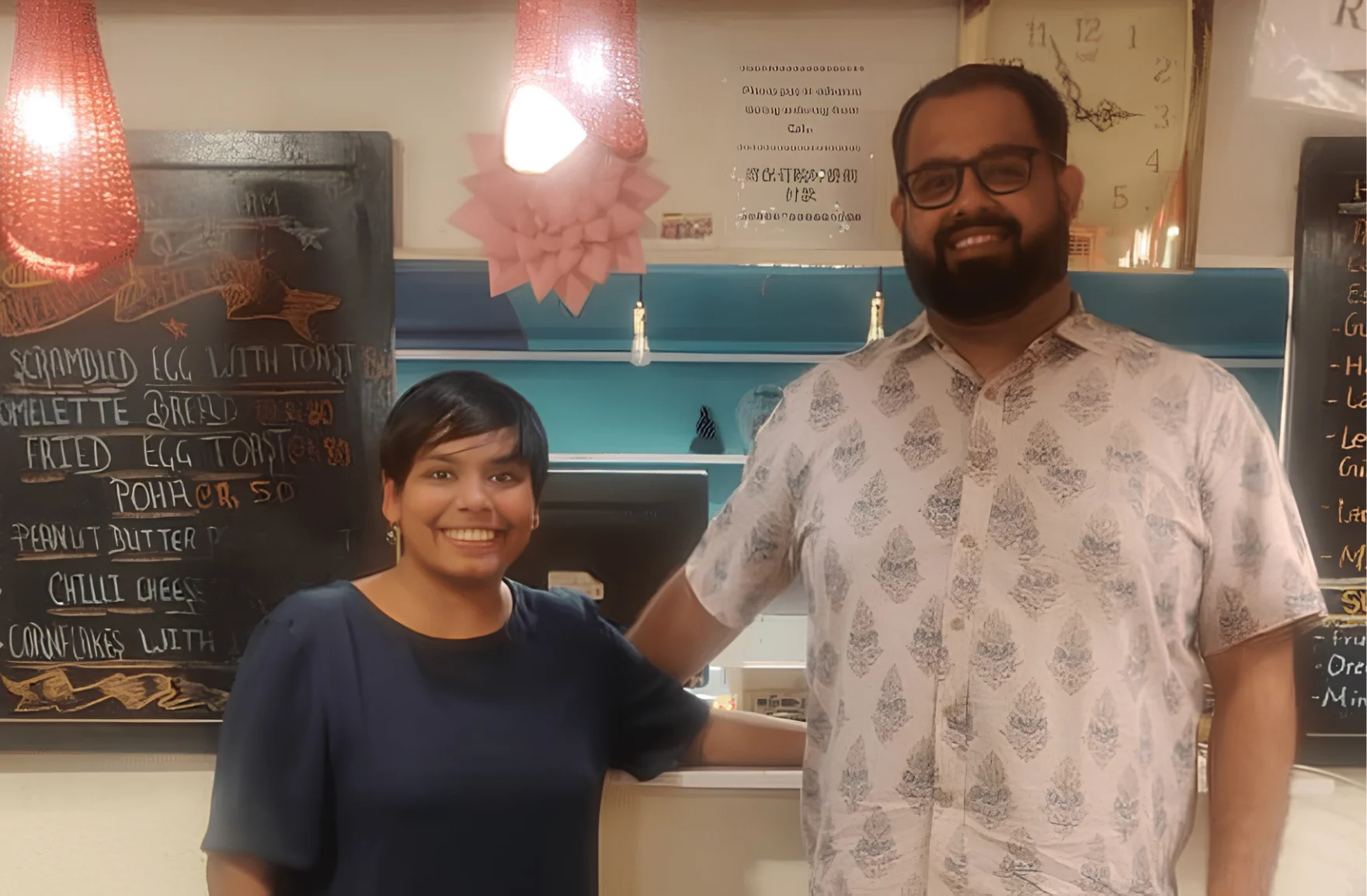
Customer satisfaction is everything when it comes to the hospitality industry, and goSTOPS has been able to successfully serve one million guests as of now.
Pallavi said: “I think L&D, learning and development, is the key [that we’re able to do that]. We’re still a work in progress. We work hard to listen to what the customer is saying. When the customer is upset with us, we try to take learning from it and implement it in the form of SOP changes or policy changes.”
For this, the goSTOPS team ensures there are multiple channels of communication through which consumers can reach out plus they’re always prompt in replying. Those reviews give them insight into what’s working for the product and what is not, and on that basis, they try to change whatever isn’t working or improve upon it.
Choosing a Location
goSTOPS concentrates on metros and major leisure destinations, basically the cities young travelers gravitate to for work, startups, or clients- and the getaways already popular in the public domain.
Within a city, they try to be in a place close to a metro or close to public transport so that it’s easy for young people to travel from one part of the city to the other, while being easy on their pocket rather than taking a taxi or a cab. Plus, they ensure there are frequent buses, metro, or autos available, and most of the important areas should be nearby.
When it comes to a leisure destination, they try to be near most of the attractions in the city, but not really inside the city, because they want young people to be able to enjoy these leisure destinations for the views they offer.
“For example, if we’re in Mussoorie, we would like to be in a place where our visitors get gorgeous views of the hills, or they can see the clouds rolling in,” Pallavi said. That location becomes very important even if it’s not exactly on the Mall Road. Young people enjoy the feeling of being on their own in the evening, looking at the vistas and chatting with their friends, so the view becomes very important when scouting locations.
The other thing is that there should be a tea shop, some grocery stores, etc., where guests can buy essential items, or just step out and take a stroll.
Curating the Menu
It takes a lot of time to curate a menu in the F&B and hospitality segment. According to Pallavi, “selecting the menu is an extremely difficult task, and it is a science, quite frankly.
The software that we use for our food inventory management is Restroworks. It allows us to look at what is selling and what is not selling. So we can re-engineer the menu in terms of the time of day when it is selling. What is moving, and what are the items that are not moving? What kind of margins are we making? So it’s really science in terms of what is working and what is not. You need to look at the numbers constantly to re-engineer the menu.”
Besides that, you need to constantly look at what the consumers are saying, and understand your age cohort. Their age cohort is 18-30 years old, so they have to have a basic understanding of what they like. “For example, would a young person be happy to have a malpua (an Indian dessert)? I don’t think so. If I put malpua on my menu, I am heading for disaster, right? But a young person will want to have a brownie with ice cream,” Pallavi said.
Whatever software you’re using to track sales, movement, or inventory really helps in making the right menu for the people you serve.
When it comes to providing consistent delivery of food across properties, mechanization of the food revival or sourcing of the food material becomes extremely important. You should know who your partners are in terms of food sourcing, how it’s being revived, and what technology and equipment are used, so that it’s the same revival process across all properties.
Layering that with learning and development, so the F&B team is constantly upgrading its skills to deliver a consistent plated experience, is, Pallavi said, a very important thing.
The Role of Restaurant Technology
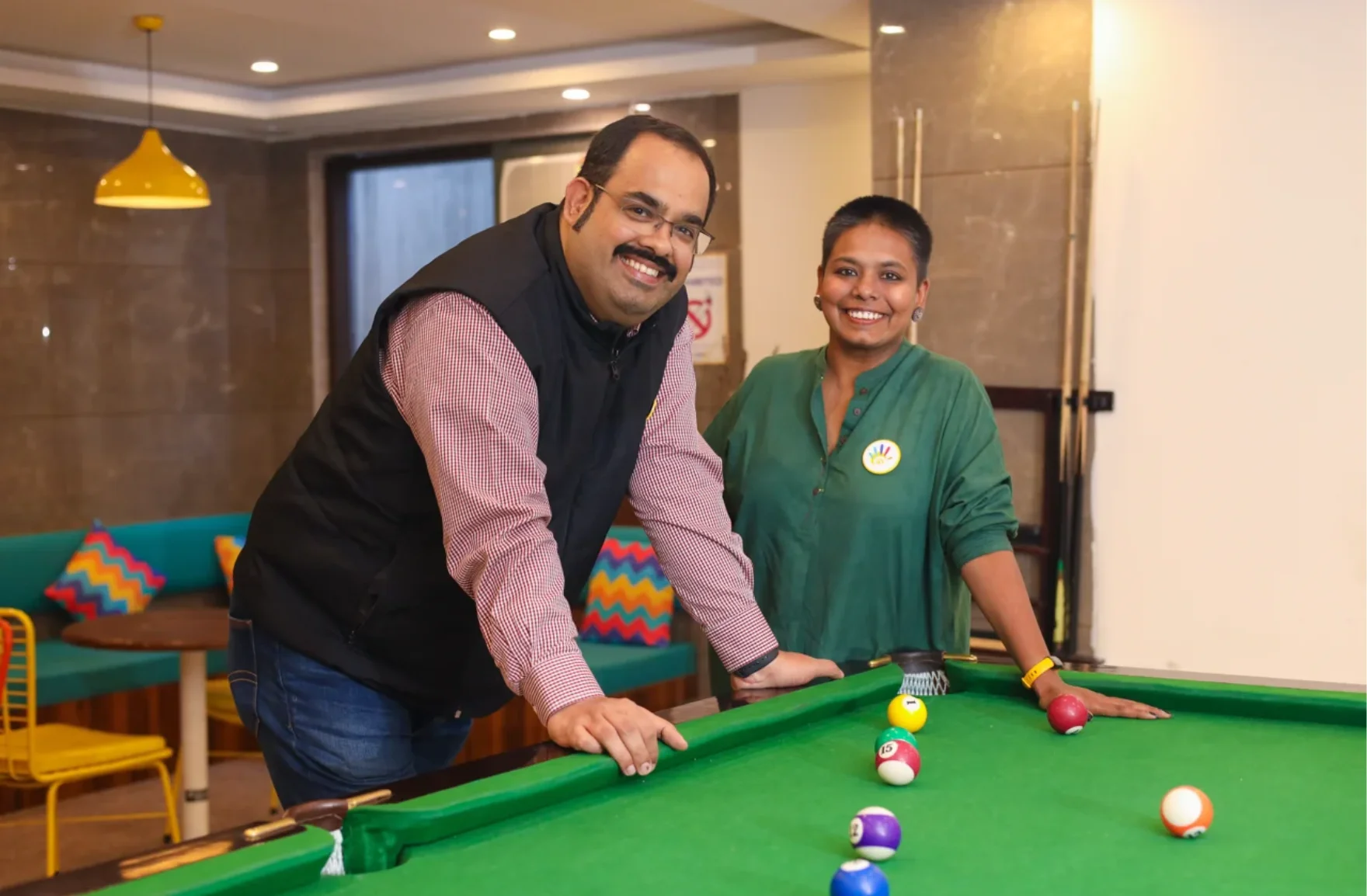
Asked about the role of restaurant technology today, Pallavi said: “Huge! As I said, restaurants now are a science at the end of the day. It is beyond the point where it is designed with creativity but rather with an understanding of the consumer. Everything has to be tracked through technology.”
goSTOPS uses technology at each level, right from supply chain management to inventory management, to their restaurant management tool, which basically allows them to track margins and recipes to actually understand what’s working and what’s not.
What’s Next for goSTOPS
At the time, Pallavi said there was no new international plan of expansion in the works, and that goSTOPS intended to focus on expanding within the country.
“India is a huge country with marvelous places to travel to, and there is a lot of ground to cover,” she said.
In fact, by 2024, goSTOPS had grown to 30+ destinations and 3,000+ beds. In 2025, the company raised ₹35 crore (about US$4.2 million) in a Series A round led by Blume Ventures, with participation from 1Crowd, Mumbai Angels, Chennai Angels, Indian Angel Network, Lead Angels, and Yuj Ventures.
Following the round, goSTOPS announced plans to grow from roughly 2,500 beds to 10,000 beds across 100 locations over the next year.
Co-founder Pankaj Parwanda said the firm was targeting about ₹40 crore in revenue and expected the business to be net EBITDA-positive in FY2025. Blume Ventures described goSTOPS as a “category-defining brand,” citing its operational expertise, asset management, and tech-driven efficiencies.