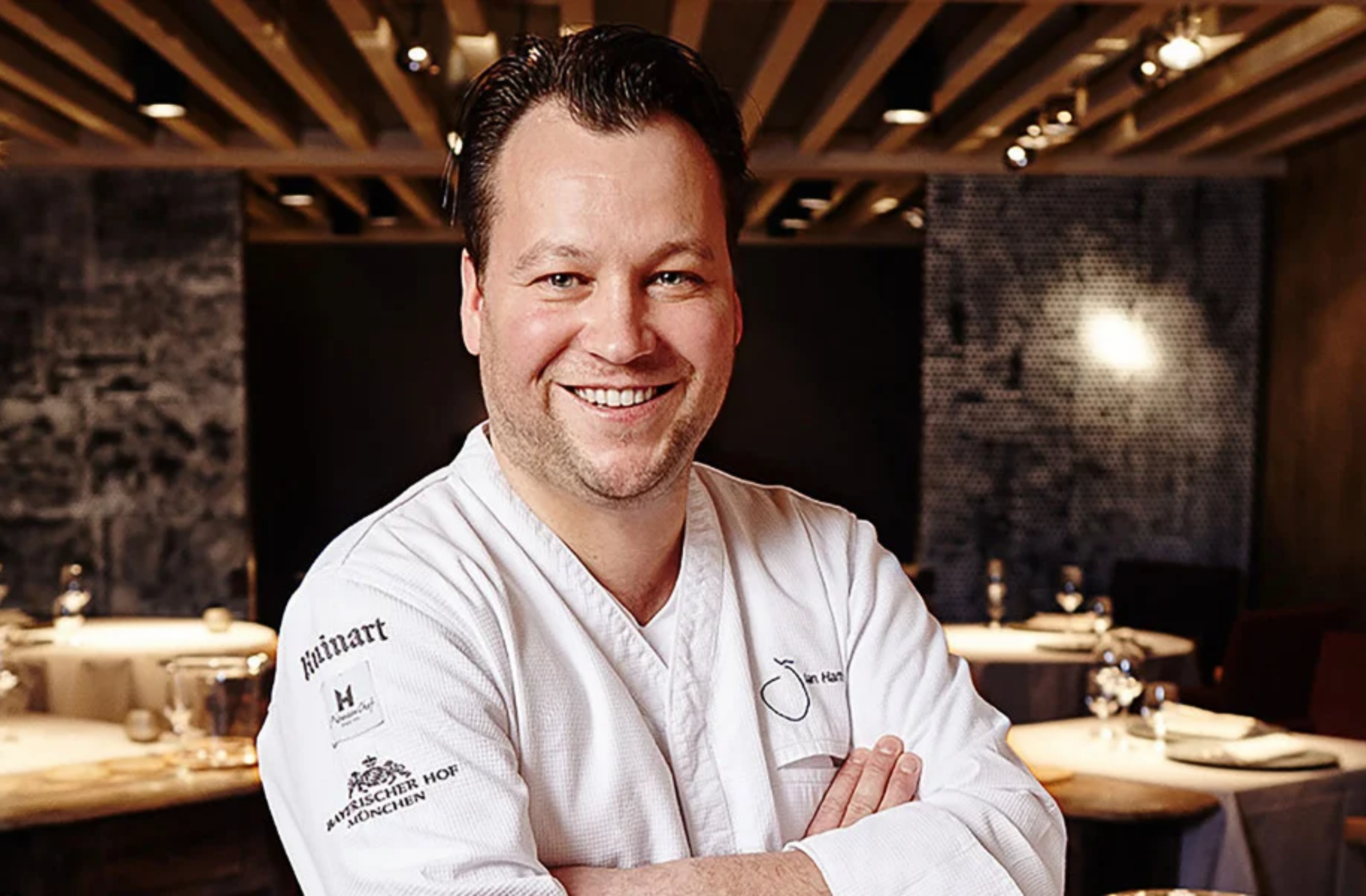

At Jan, the open kitchen is central to the dining experience. Depending on where you [the guest] choose to sit, you can watch the kitchen through its open doorway or serving pass. Plus, above its entrance, you’ll see the words “Labor der Liebe,” or laboratory of love, and all around the dining room, there are artworks by the very famous South German artist Stefan Strumbel.
The restaurant is somewhere in the middle of Munich, between the Kunstareal and Maxvorstadt. It has up to 40 seats, a private dining room and a front-of-house team led by maître d’ Kilian Skalet. Jan describes its team as welcoming guests with “a charming professionalism.” Chefs who work here bring dishes to the tables themselves, and what can be a better defining feature of an open kitchen if that’s not it?
A Four-Year-Old With a Knife and a Tomato
Hartwig grew up in Lower Saxony in a family with a food background. He shares, “My father is a chef too, so I helped out in the kitchen as a young child.” At family lunches and dinners, he would ask his father what he could do to help. “When I was four, I was cutting tomatoes, peeling potatoes, washing salads…”
You might guess his father pushed him toward the stove. Hartwig says no. In his own words: “Never, and that’s the reason why I love it.” His parents did indeed tell him how wonderful the hospitality industry was and how much work it demands. They said, “Think seriously if you want to do it,” but never told him to go do exactly that if he didn’t want to.
“I loved sitting together with my family and chatting around the table over a good meal,” he said, and that’s what he intended to deliver to anyone who would visit his restaurant – the warmth and the belongingness.
Learning the Job from the Bottom
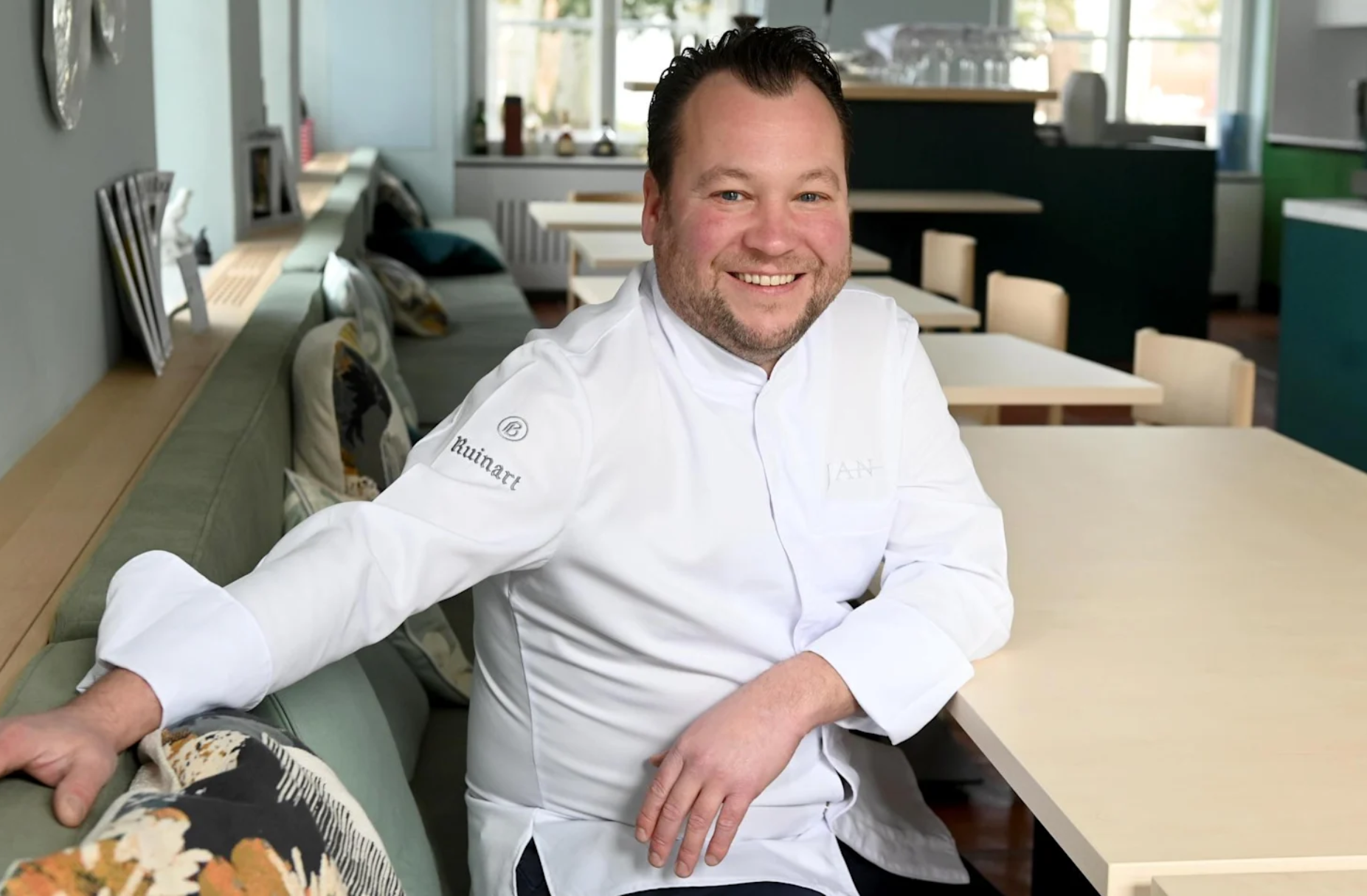
At 18, after school, Hartwig started an apprenticeship. Usually, what happens is that in Germany, if you want to learn anything around hospitality, you have to go to a hotel/restaurant to learn the work from the bottom up. And so, Hartwig joined a place that had two restaurants in one, like there was one big room with a bar for breakfast and lunch, and there was also a fine dining room next door. There, he learned to make chocolate pralines, pasta, wienerschnitzel, risotto, ice cream, tarts, and cakes for the first time.
Of course, he learned the basics of hospitality in school too, but again, one can not learn how to handle service in real time and how to deal with stressful situations in school.
After three years [as Hartwig continued to train] came the army, which was mandatory in Germany. It lasted nine months, and after six, when people specialized, he asked for the kitchen and got it. “I asked for it, but it’s not guaranteed,” he said.
In 2007, he began work at Aqua in the Ritz-Carlton in Wolfsburg. He was a sous chef when it won three Michelin stars, and it also appeared on The World’s 50 Best Restaurants list in 2010. Hartwig also credits time under Christian Jürgens and Sven Elverfeld. “Spending I-don’t-know-how-many hours together in the kitchen is intense; you get to know each other very well, and that’s when you learn the most,” he said.
The Years at Atelier
In 2014, Hartwig joined Atelier at the Hotel Bayerischer Hof in Munich. Six months later, the restaurant had its first Michelin star, and more followed. 50 Best even noted that Munich had not seen anything like it since Eckart Witzigmann’s Aubergine in the 90s. In 2016, Der Feinschmecker named him “Cook of the Year.”
“Once you decide to work at a certain level, you’re inevitably facing a competition,” Jan Hartwig said. As for the awards, he says that “obtaining Michelin stars is very rewarding, but I try to stay focused on my work and my own goals.”
When he was asked about whether he hops on the trends and what he thinks about them, he said, “I’m actually not interested in any trends, and I don’t waste my time on assessing if my menu is still up to trend.” What he did notice was that guests care about where food comes from. His summary of the mood was “back to the roots,” which he described as “less show and more real, authentic dishes with great quality ingredients.”
Why He Built Jan
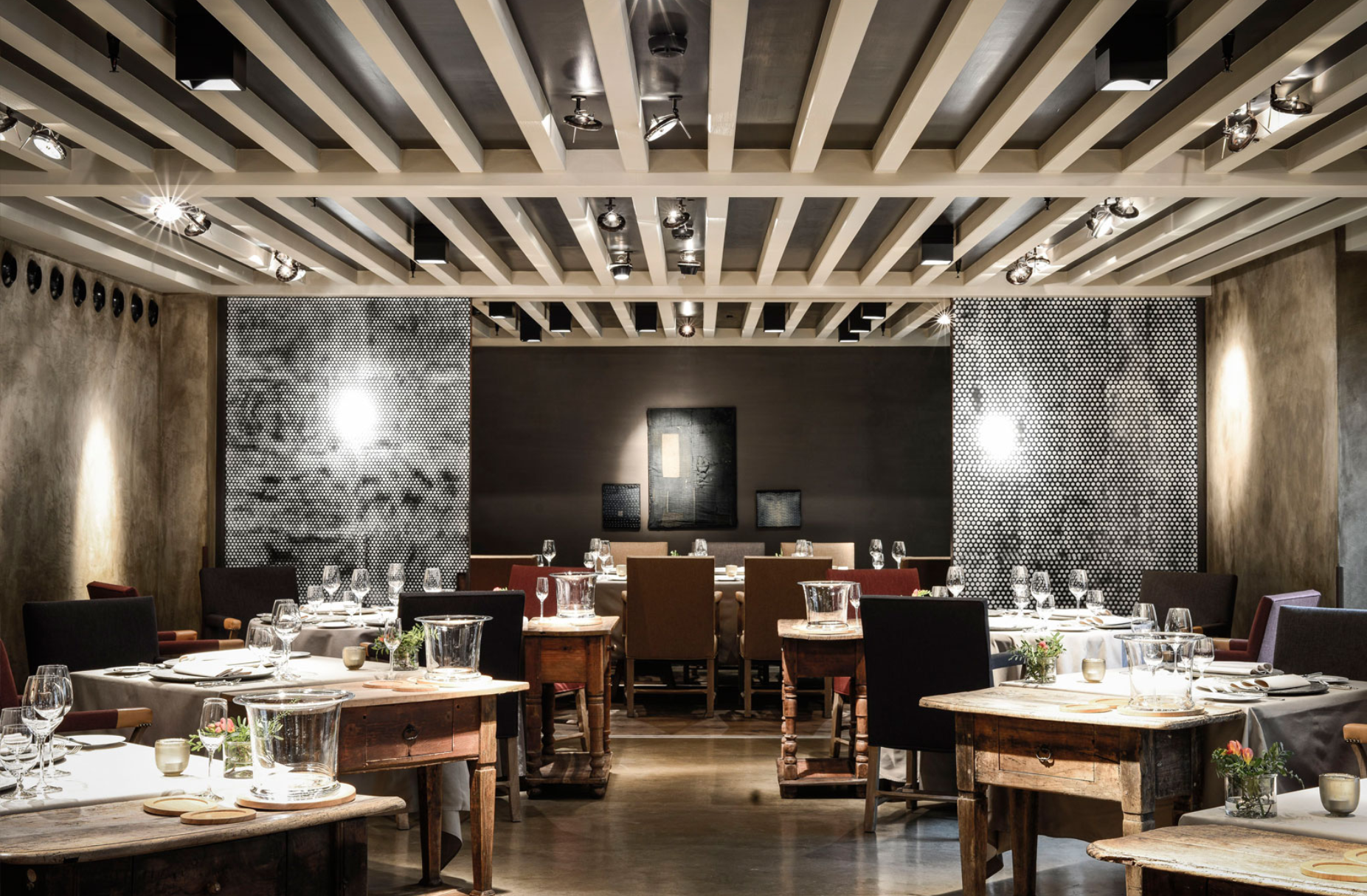
Hartwig wanted a place of his own. “I wanted my own place, and I was running a pop-up restaurant to build up the concept first,” he said. But finding the right space took patience. “I had to find the right location and discovered the right place on my birthday,” he said, and he called it a great present. Jan opened in October 2022.
What happened next surprised even people who follow the Michelin Guide. Jan won three Michelin stars within about six months of opening. One diner who visited in June 2023 wrote, “Receiving three Michelin stars only six months after opening a restaurant is almost unheard of.” That same diner gave the meal 18 out of 20 in his own review.
In Hartwig’s words: “With Restaurant Jan, I want to play with the stories of our culinary history. I use the best ingredients and want to always serve delicious dishes.” Even on the restaurant’s website, it’s clearly written that Jan “reinterprets the DNA of German cuisine and turns it into new worlds of taste. His credo is: “To be better today than yesterday!”
The Football Team Behind the Pass
If you ask Hartwig what makes Jan stand out, he talks about people who work there. “The kitchen is like a football team,” he said, and that “nobody can win alone, so the team is incredibly important.”
Overall, twelve people work in the kitchen and eight work in service, which makes 20, and then there are accountants and human resources. Most of the admin work is done by his wife.
“You have to train people well, but you also have to treat them well. If you want the team to follow you, you have to be a good leader.”
He wants Jan to outlast him in a way. “I want to run a restaurant that can exist without one leader. It can’t rely on just one person.” He also admits the job keeps him moving. “It’s motivation and positive stress. I like stress because, without it, I’m not getting out of bed.” About the awards, he said, “If you get nice achievements and awards, it’s like a certificate that you are doing well, and it motivates me.”
What Lands on the Plate
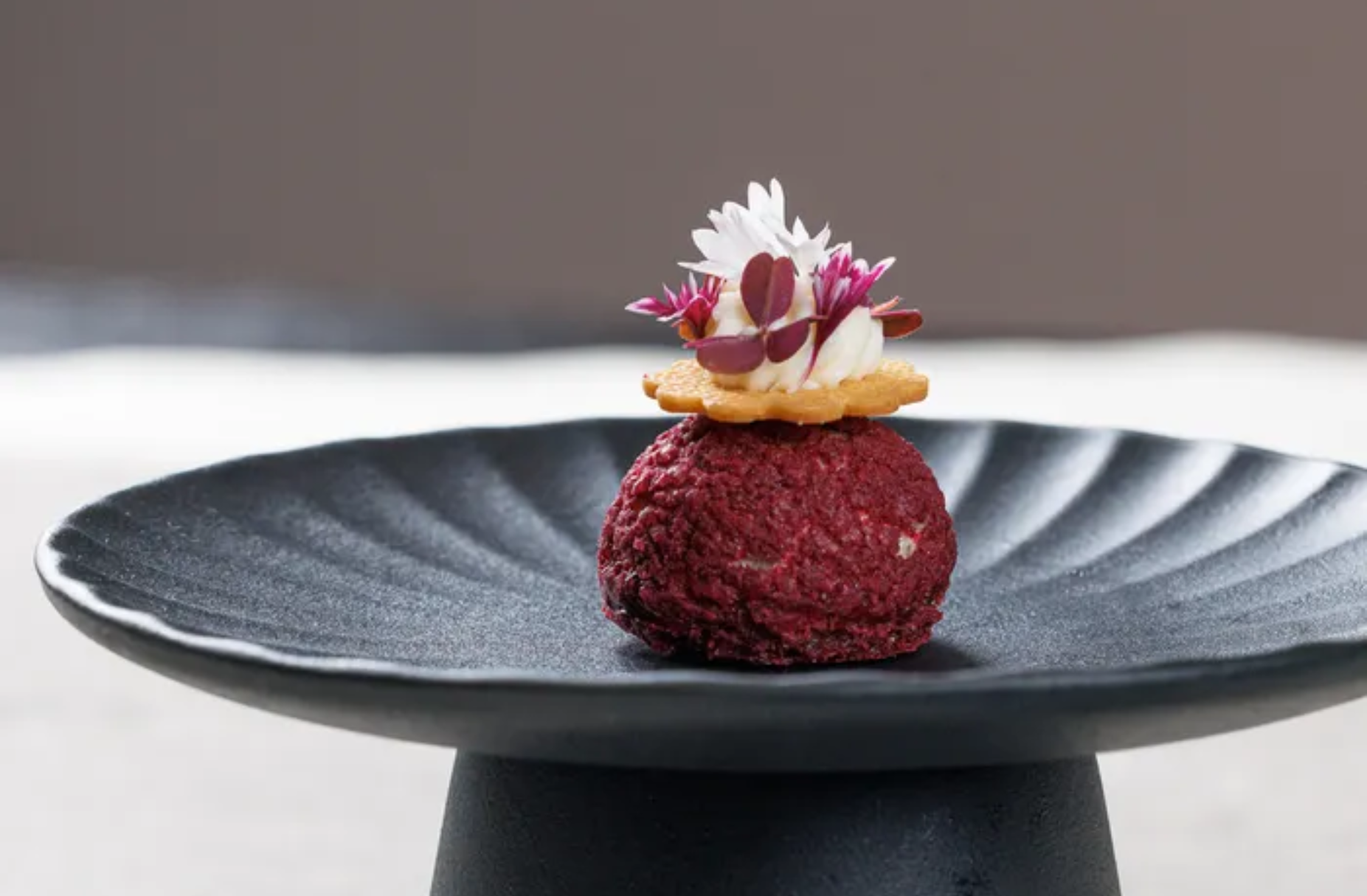
According to the Michelin Guide, when you walk into Jan, make sure you are prepared “for an extraordinary culinary journey.” It says the seven-course set menu is “precisely crafted and carefully considered down to the last detail.” The menu is served at lunch and dinner, with a shorter version at lunchtime. It is listed at €340 per person.
Plus, each dish here has a story. A tartlet of foie gras mousse, for example, is served with finger lime pearls and smoked maple syrup, layered with paper-thin pecan crisps. One of the diners who ordered this dish wrote that a single bite of it “managed something astonishing: a taste progression.” The sweetness of the foie gras and pecans came first, then umami, and then the saltiness of the capers.
Another fan-favorite is Sea Urchin Louise. It’s a delicate dish of sea urchin with jellied oxtail, crème fraîche, and chives – a tribute to Hartwig’s young daughter. Guests can add it to the tasting menu as a signature dish, along with a pâté en croûte or a beef Wellington for two. Then there’s also a trout dish that’s served with iceberg lettuce, jalapeño, kohlrabi, horseradish, pumpernickel, dill and sauerkraut beurre blanc. The restaurant says it brings alpine purity to the table.
The Michelin Guide also points to a pike and scallop dumpling filled with deep green Tagetes oil and topped with slices of Atlantic mackerel. It comes with an umami beurre blanc foam. Their verdict is that it creates “an exquisitely delicate flavor profile.”
For guests who do not eat meat, the kitchen offers its own versions. Candied kombu and an umami cream stand in for the foie gras praline. The wine list is listed as including magnums, jeroboams, and special vintages.
Sauces, Markets, and the Whole Fish
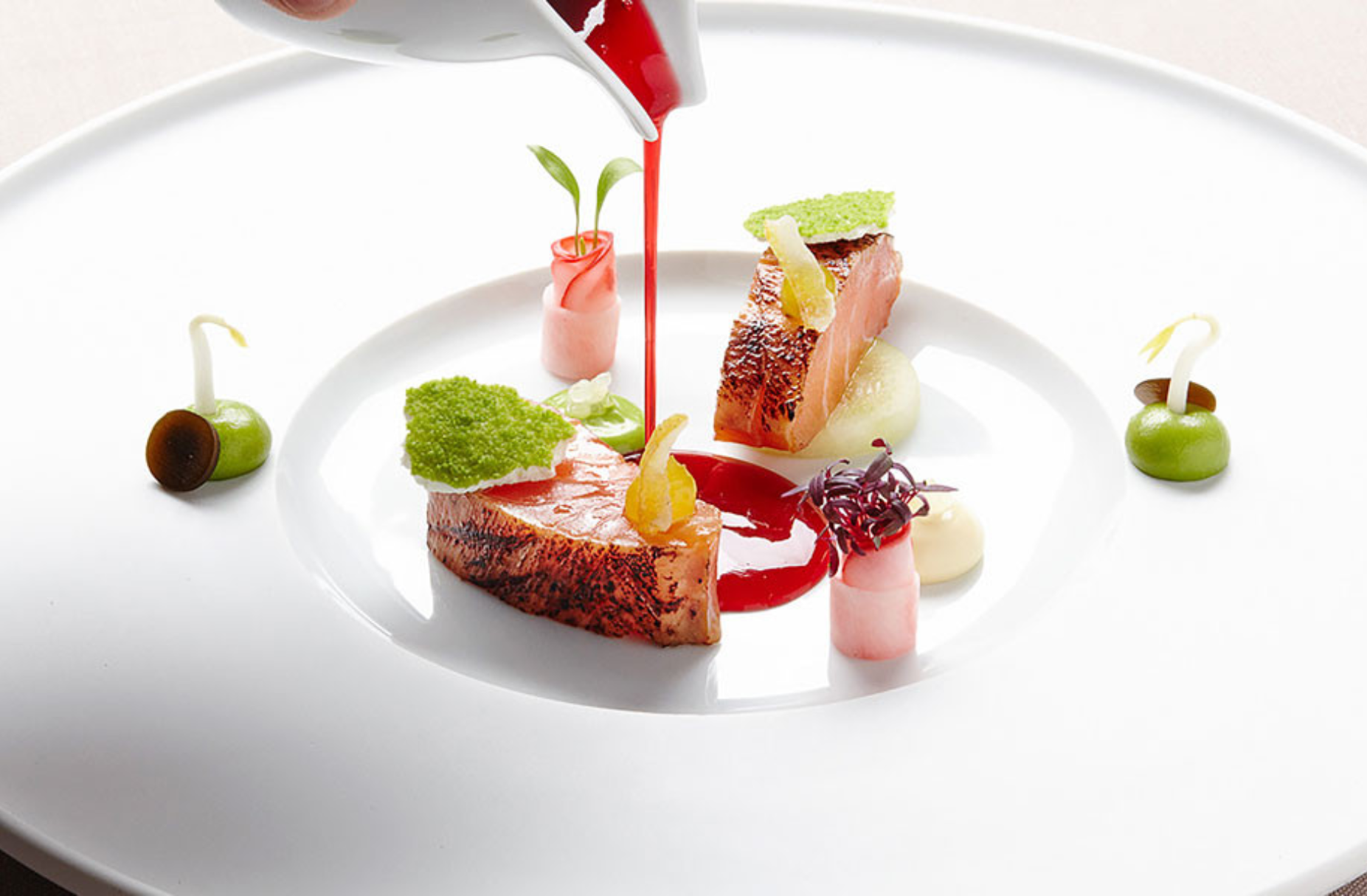
Hartwig insists on cooking every sauce himself, and he treats curiosity as part of the job. Asked where he finds inspiration for those sauces and dishes, he said, “Everywhere!” He loves visiting markets when he travels to see vegetables that are not available in Germany. Talking with people feeds him too. “I also find inspiration during every conversation I have with suppliers, or when speaking to guests at the restaurant. It opens my mind.” Plus, he is always in contact with other chefs too. “The most inspiring thing of all is to keep in touch with other chefs,” he said.
He treats sustainability as daily work. “It is super important! We have a responsibility to other people and nature,” he said. “It’s an ongoing process you need to constantly work on.” He is honest that, at Jan, some products still arrive by airplane, and that they are working on alternatives.
“We are reducing plastic in the kitchen and want to use the whole animal or fish.” One example is an Arctic char dish, where “we use the bones and head for stock, brine and poach the fillet, then with the liver, we make a mousse.” The fins, head and eyes get used as well.
Words He Lives By
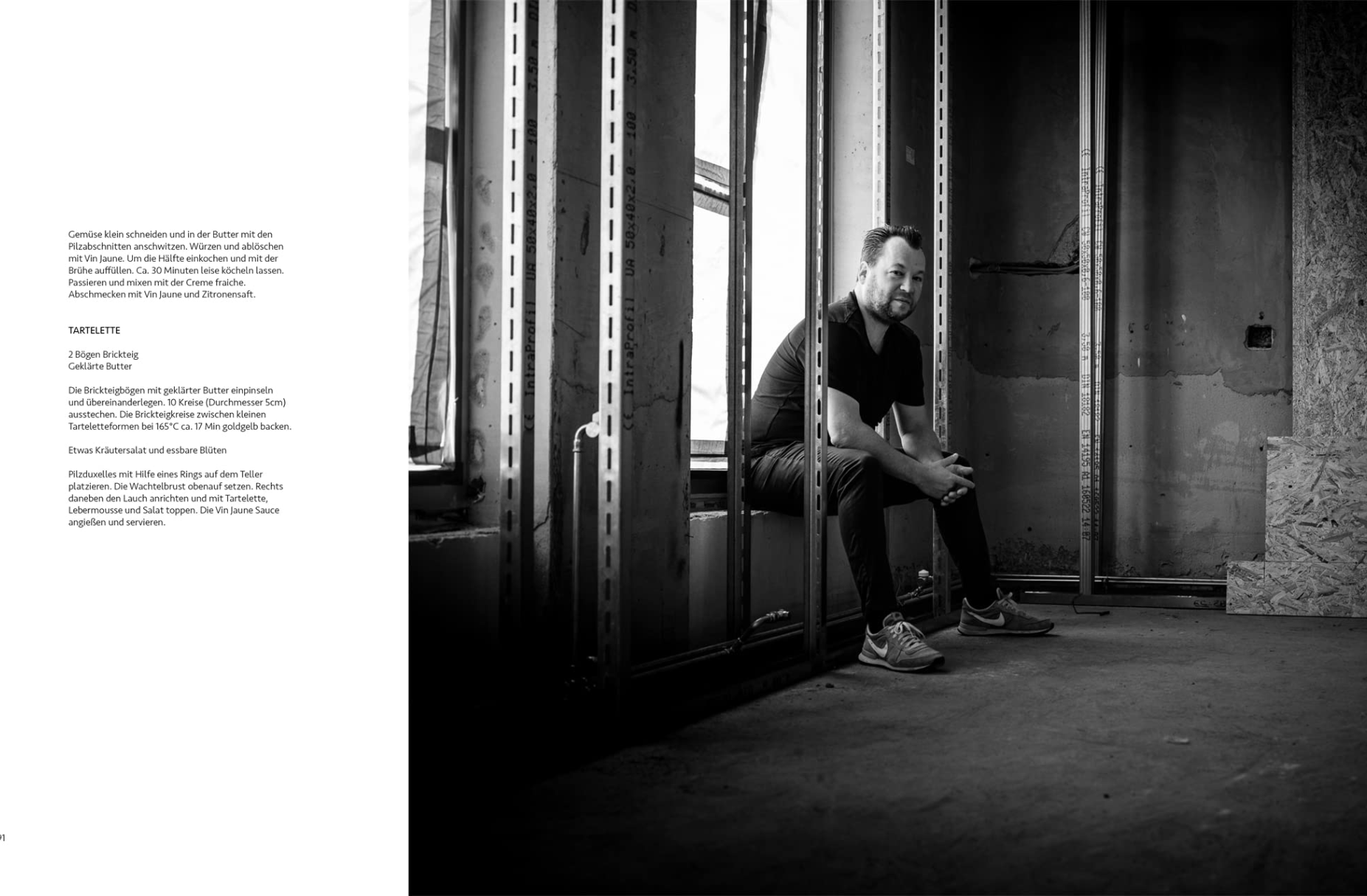
When 50 Best asked for his mottos, Hartwig pointed to his parents. “You can be whatever you want, but you have to work for it,” they told him. “Nobody gives you a present.” He wants his cooks to know their weak spots as well as their strengths, and he accepts that people slip. “Mistakes happen. Humans make mistakes, but don’t let the guest know.” He also borrowed a line from Daniel Humm that hangs over the whole kitchen: “Make it nice, or make it twice.”
His first cookbook, also called “Labor der Liebe,” brings his dishes into home kitchens. It explains them in detail so fans of fine cooking can try them out. For the many people who will never get a table at Jan, it offers a way in.
If you do get a table, you will sit in a warm room, close to a kitchen with a name above its door, and watch a team of 20 work together. Hartwig does not hide the secret. In his own words, “nobody can win alone.”